
This spring, I attended two of Europe’s most important domain-industry gatherings: Nordic Domain Days 2026 in Stockholm and the InterNetX Domain Summit 2026 in Berlin.
For me, these events were opportunities to compare notes with people shaping the domain market, discuss what is changing, and ask a more important question:
What role will domain names play as the internet becomes increasingly automated, intelligent, and agent-driven?
I have spent more than a decade tracking the domain market through GGRG’s brokerage work and the Liquid Market Report. I have seen markets accelerate, cool down, and reinvent themselves. Yet one thing remains consistent: being in the room still matters.
Especially now.
AI can summarize a conference, but it cannot replace the trust built over a coffee, a panel discussion, or a conversation that continues long after the conference has ended.
And trust in the AI powered world is everything.
Stockholm: Nordic Domain Days 2026
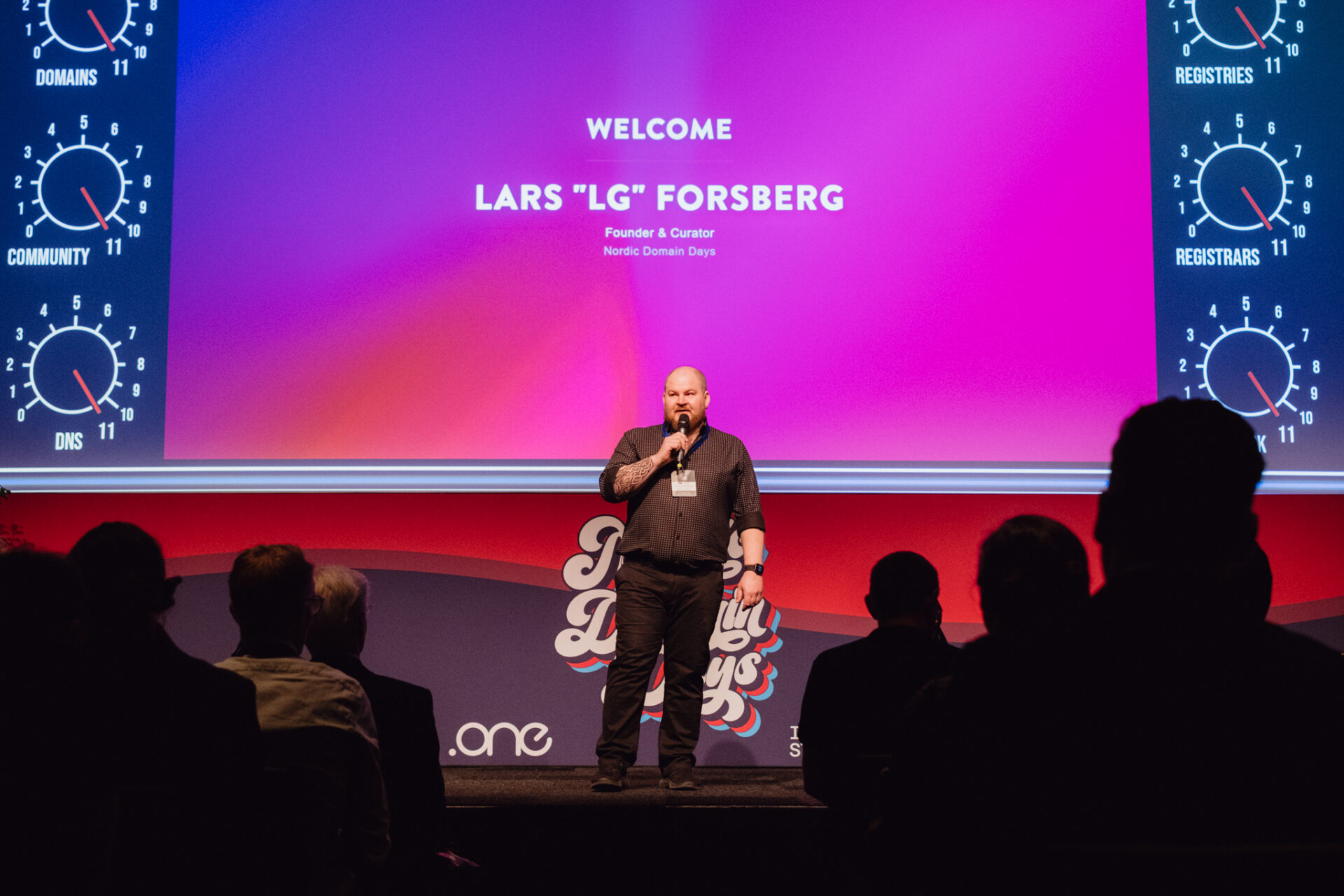
Nordic Domain Days has always had a distinct personality. It is serious about the business, technical, and policy questions facing our industry, but it also understands that conferences should be enjoyable. There is time for learning, time for debate, time for karaoke, time for tattoos (!) and naturally: time for fika.
Lars “LG” Forsberg and the Nordic Domain Days team have built something special in Stockholm: an event that brings together registries, registrars, investors, hosting companies, and policy voices in a relaxed and informal setting.
I have been going for years. This year I curated the domain investing track, and moderated a few of the investor panels.
The Breakfast Club comes to the stage
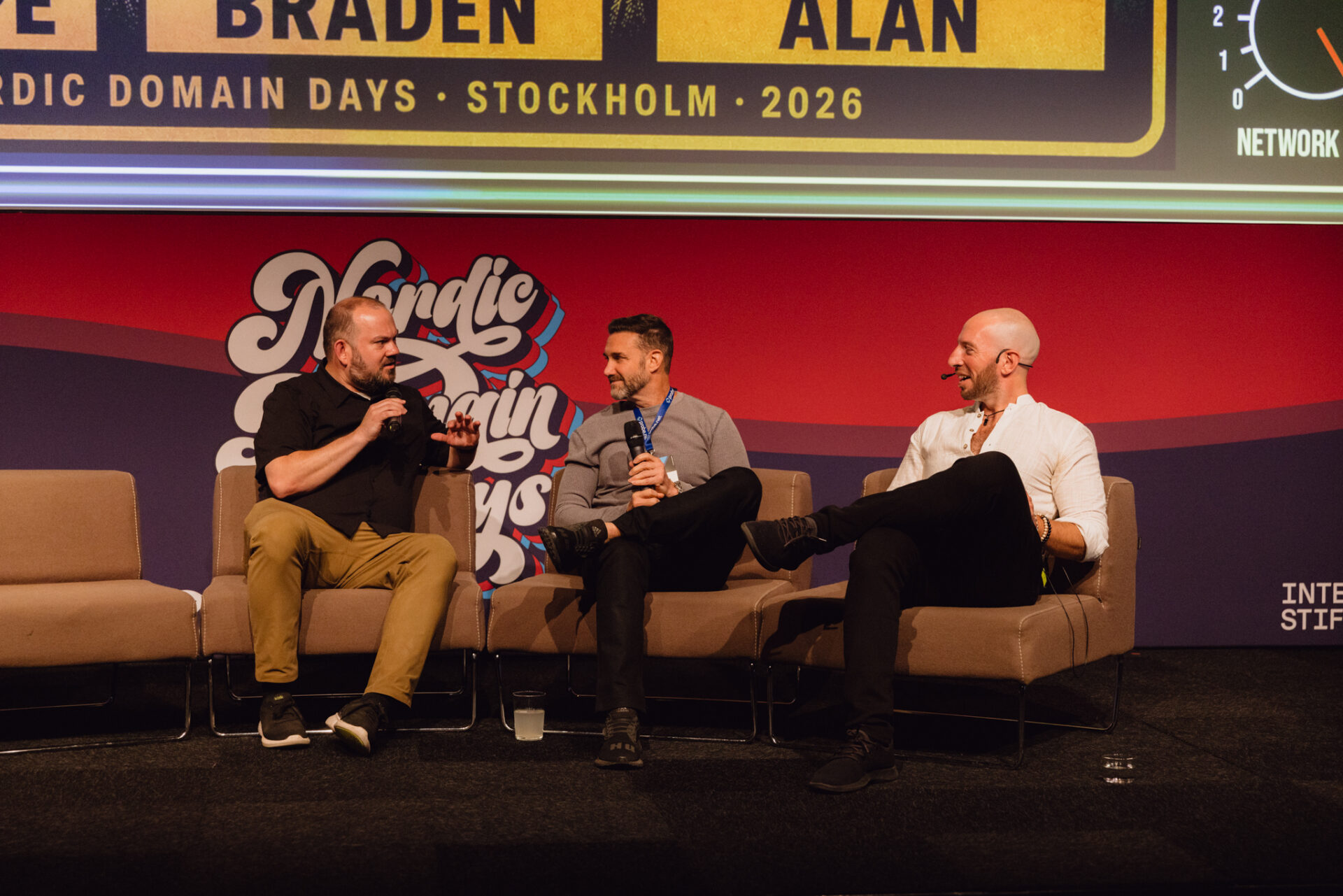
One of my personal highlights was bringing The Breakfast Club to the conference stage.
The concept began as an informal industry conversation and has grown into a platform for candid discussions about domain investing, TLD trends, portfolio strategy, and revenue optimization. At Nordic Domain Days, I joined Alan Shiflett of GoDaddy and Braden Pollock of Legal Brand Marketing for a lively session that felt very much like the podcast: just with more people watching us and considerably less room to hide.
The best conversations in our industry are often the ones where people move beyond polished talking points. What is actually working? Where are investors getting it wrong? Which trends are durable, and which are simply very loud on LinkedIn?
The other highlight was Alan’s masterclass, The AI Toolkit for Domain Investors. Hands-on, live building, no slides about the future of AI. It felt like Alan letting us into his secrets, and the room left energized about actually building things with it.
The domain-investment segment continued with What Decades in Domains Teach You, featuring Monte Cahn, Kimberly Darwin, Yiqiu Tao, and Dave Evanson.
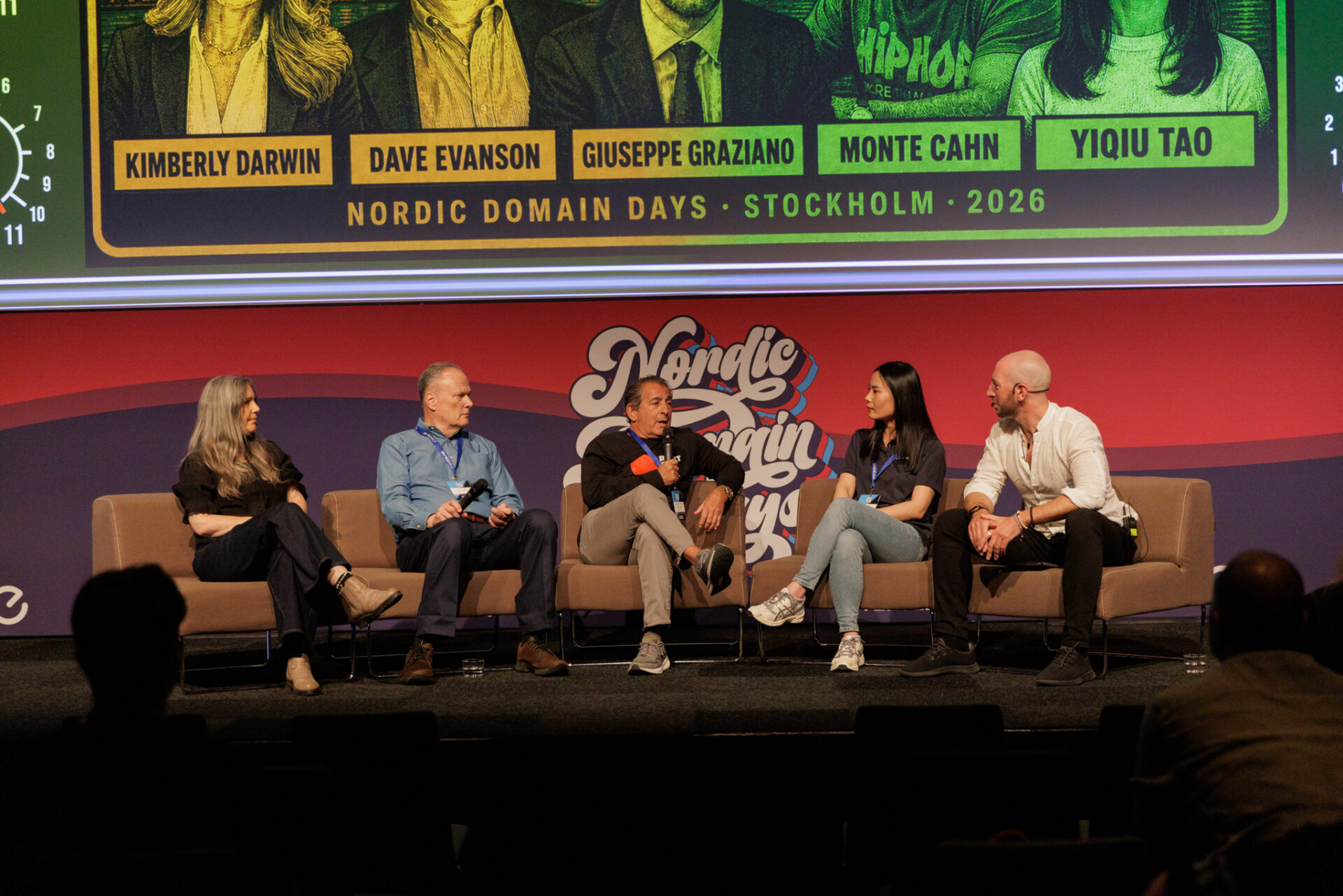
Each panelist brought a different perspective shaped by years of experience across auctions, registrar operations, brokerage, portfolio management, and aftermarket transactions. That range matters. There is no single path through the domain industry, and there is no universal formula for building value.
Yiqiu Tao’s discussion around a seven-figure .AI transaction was a particularly useful reminder that the market is evolving quickly. The opportunity is real, but so is the need for discipline. Excitement around a new extension can create momentum, but good investments still require research, timing, liquidity awareness, and a clear understanding of the end-user market.
Monetization is not an afterthought
I also enjoyed moderating Build Your Domain Monetization Playbook with Rickard Vikström of DomainCrawler, Paul Dinin of Giant Panda, James Tuplin of Above.com, and Claus Barche of Taku by GMO.
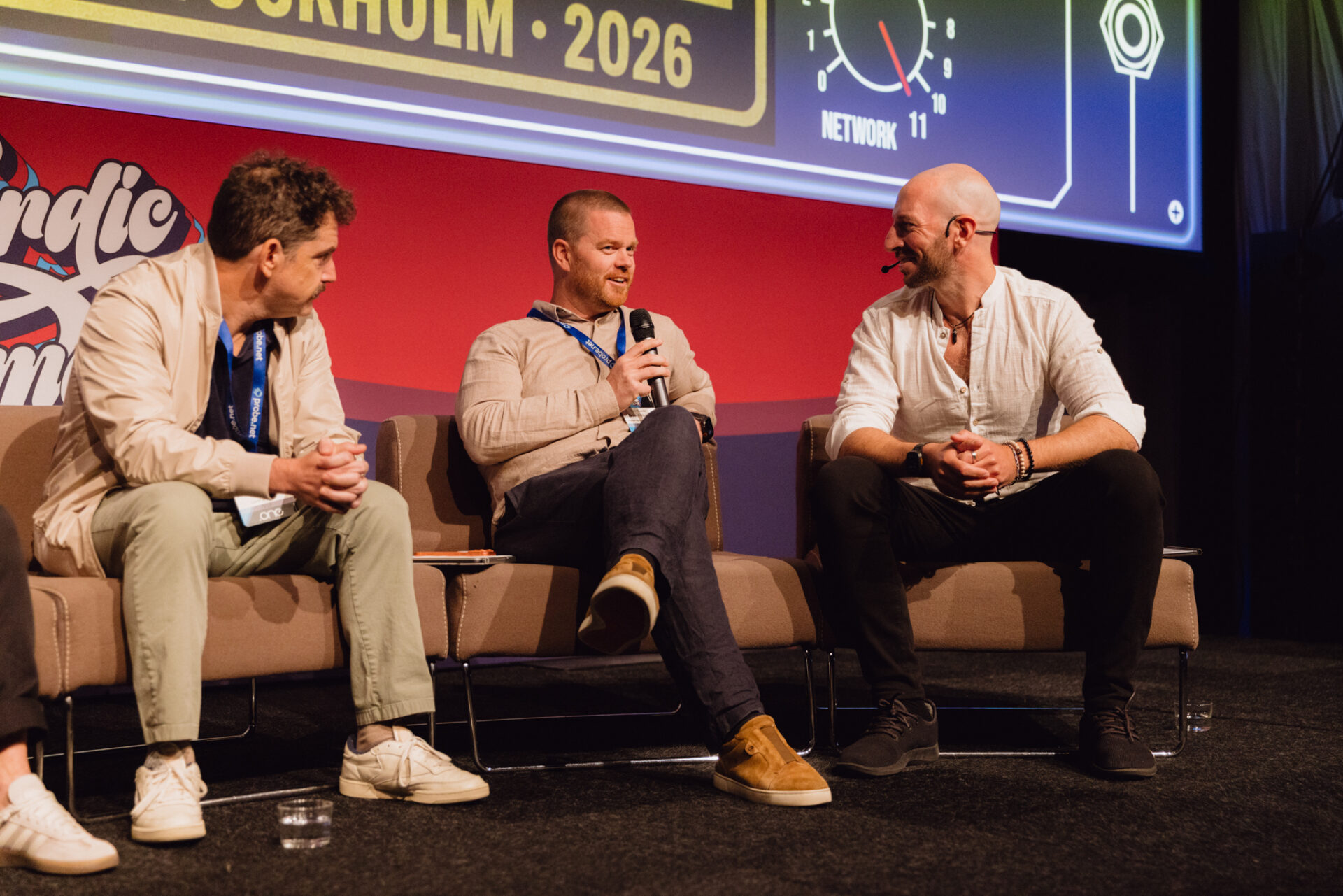
The timing was right. Since Google killed the monetization feed, the new and existing players have been inventing their own ways forward, and this panel put several of them side by side.
The takeaway that stayed with me is that the companies doing best are still the ones trying to work out what the human behind the click actually wants.
Berlin: InterNetX Domain Summit 2026
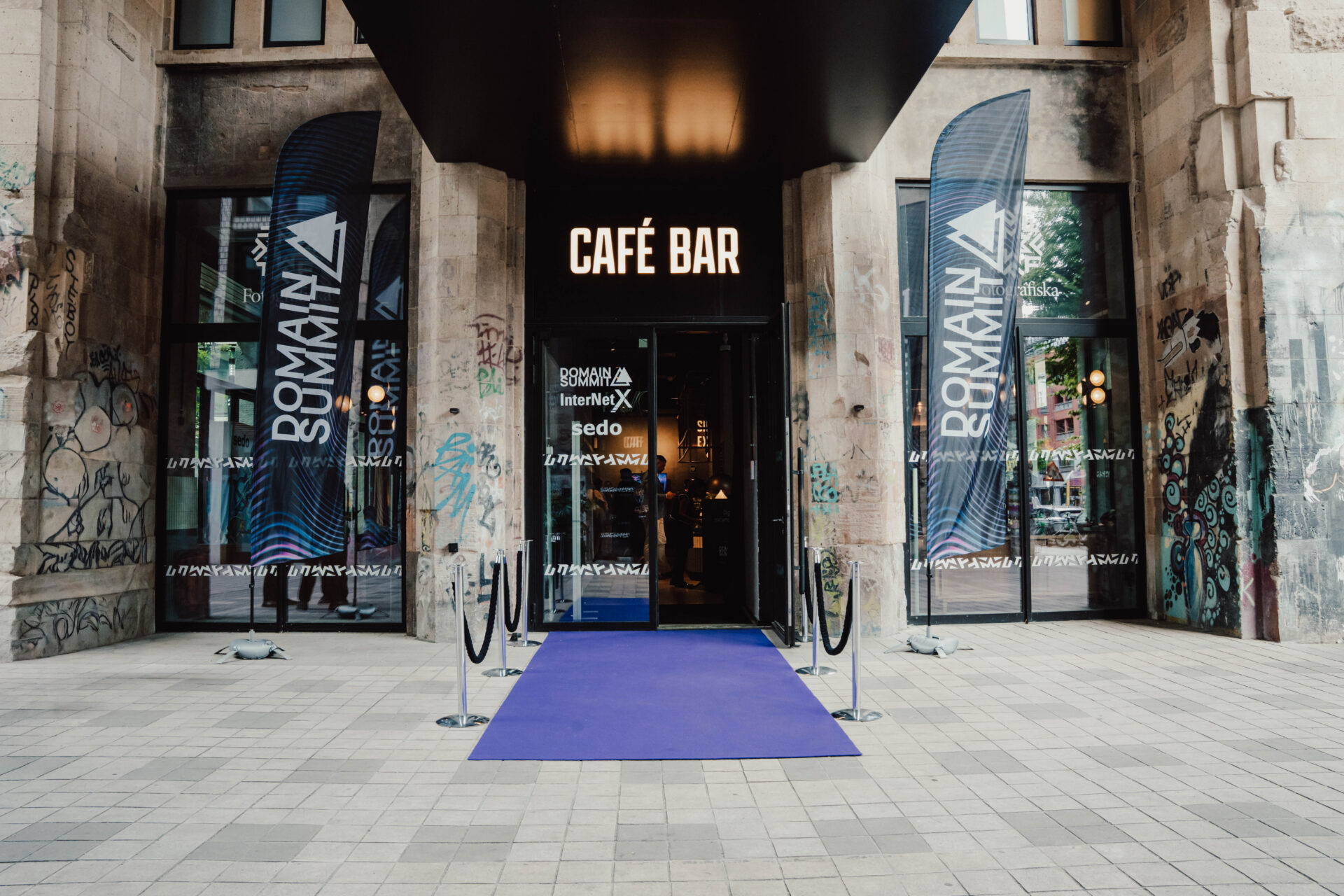
A few weeks later, I travelled to Berlin for the InterNetX Domain Summit, held at the stunning Fotografiska Museum.
The venue was an excellent fit for the event. Fotografiska is visually striking, modern, and built around ideas, creativity, and culture. It also provided a useful backdrop for a summit focused on the digital transformation of the domain industry.
A special thank you to Michaela Cruden and the InterNetX team for bringing the community together and creating an environment where conversations could move beyond the immediate quarter or even the immediate business cycle.
The summit’s theme, Digital Metamorphosis, captured the central challenge facing the industry: domains are no longer only addresses that people type into browsers. They are becoming important anchors for identity, discoverability, reputation, and trust in a web where machines increasingly make decisions on behalf of people.
Domain names as an asset class
My own talk was titled “Domain Names as an Alternative Asset Class.”
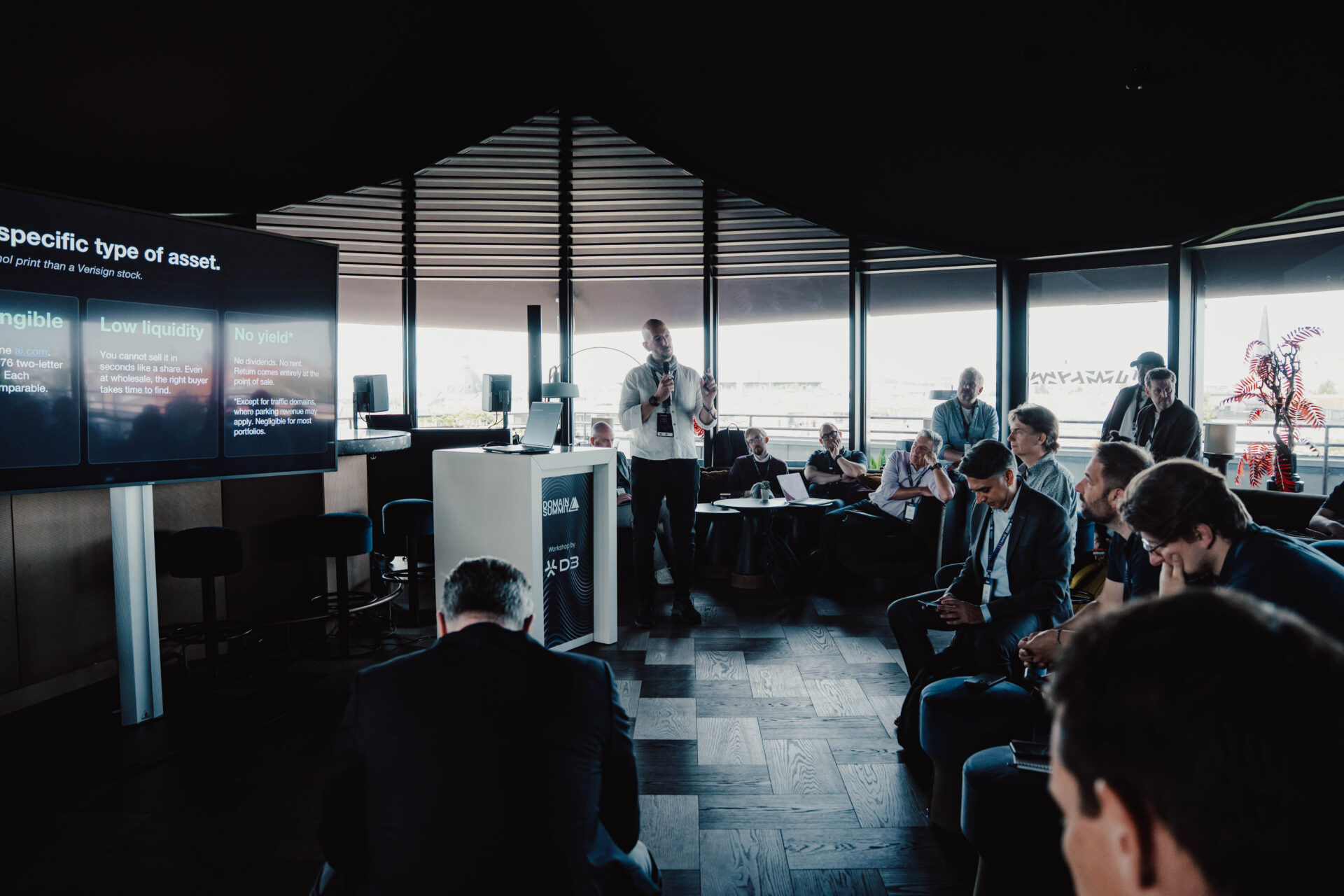
I used a decade of data from the Liquid Market Report to discuss how premium domains compare with other scarce, useful, and globally transferable assets. Once you put them side by side with everything else an investor could own, three things become hard to avoid.
- Most domains are not assets at all. A name with no liquidation value is a liability sitting on your balance sheet. Only the premium end behaves like an asset, and even then a strange one: non-fungible, illiquid, and paying nothing until the day you sell.
- Returns look very different once you annualize them. Doubling your money sounds excellent until you divide it by the number of years you held the name and compare it with what the same capital would have done elsewhere.
- Single sales tell you almost nothing. Portfolio yield is the real metric, and it comes down to sell-through rate times average margin.
Agent discovery, bot traffic, and the next web
The wider program explored several connected themes.
Brian Lonegan, Mihai Lacatusu, and Nic Williams contributed to discussions around agent discovery and how autonomous systems may find, evaluate, and interact with online businesses. If AI agents become a meaningful gateway to products and services, the question will not simply be, “Can a human remember your domain?”
It will also be:
- Can an agent identify the business behind it?
- Can it verify that the business is legitimate?
- Can it understand the services being offered?
- Can it transact safely and confidently?
Rickard Vikström’s observations on bot traffic added another practical layer to the discussion. Traffic is no longer automatically equivalent to human attention, and analytics teams need to understand what is arriving at a website and why.
Itay Shmool explored the relationship between SaaS platforms and agents, while Sven Göth brought the conversation back to the human element. That balance was valuable. The future may involve more automation, but trust, accountability, and judgment will remain human concerns.
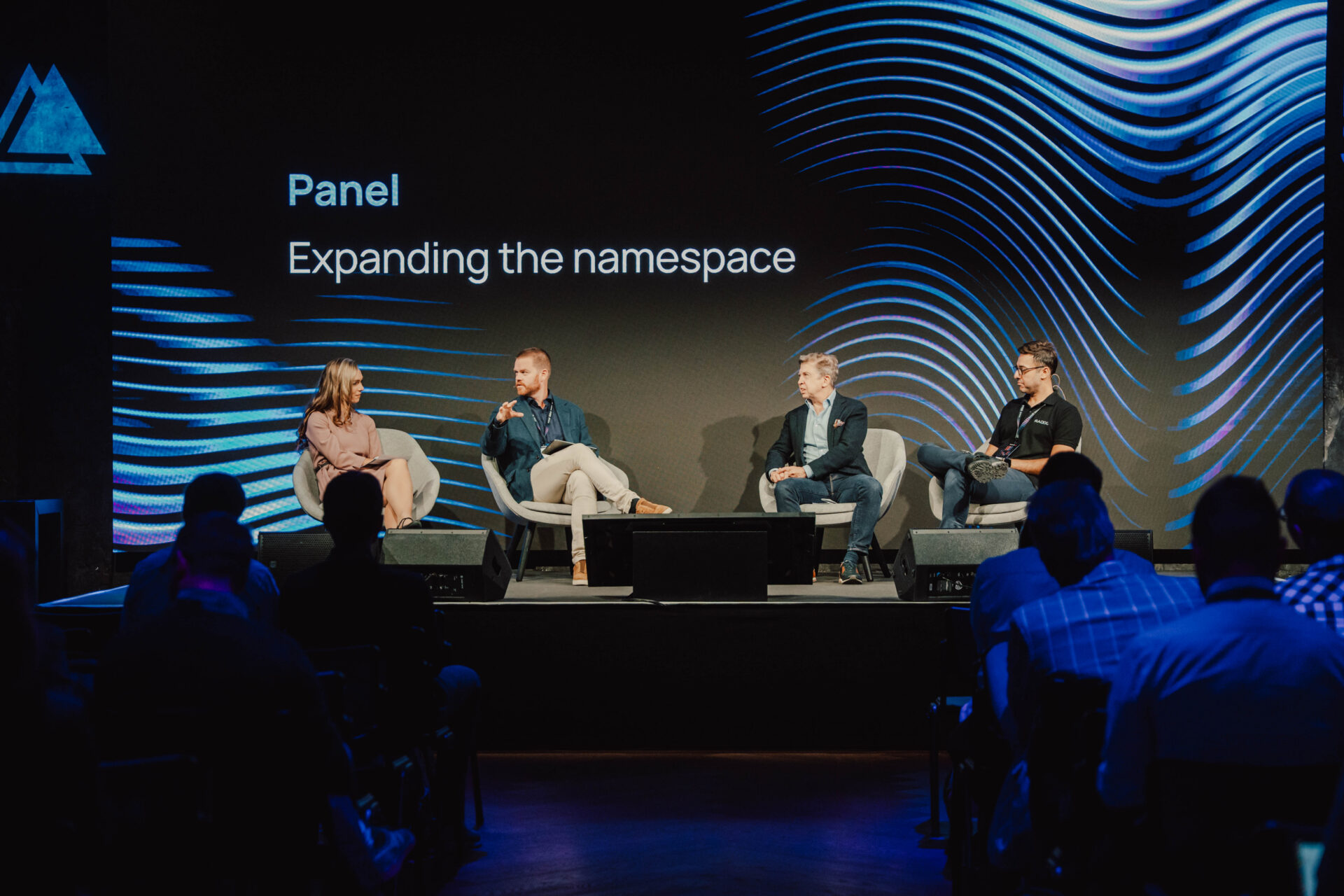
The strongest conclusion from Berlin was that the agentic web will not be built by technology alone. It will require cooperation between registries, registrars, investors, platforms, developers, policymakers, and the businesses that ultimately depend on digital identity.
What I am taking forward
Across both Stockholm and Berlin, several themes kept returning:
- The domain industry is becoming part of the AI infrastructure conversation.
- Premium domains remain valuable because they combine identity with utility.
- Investors need to separate durable demand from temporary excitement.
- Human relationships still accelerate trust and business.
- The next generation of the web will require stronger verification and clearer digital identity.
That is why conferences like Nordic Domain Days and the InterNetX Domain Summit matter. A final thank you to LG, Michaela, the Nordic Domain Days team, the InterNetX team, and every speaker, panelist, partner, and attendee who made these events memorable.
The web is changing quickly with AI. The people building it are still meeting face to face. Stockholm gave us the energy. Berlin gave us the wider horizon.
For GGRG, our role is to keep helping companies and investors navigate this market, whether they are buying a domain, preparing to sell one, or evaluating a portfolio. You can learn more about my background on the Giuseppe Graziano profile, or explore our domain brokerage services.